I was a vegetarian for 10 years, temporarily went back to meat and after close to 18 months I decided this meat thing, it’s really not for me. In the past 10 years exploring this lifestyle I have come to realise there is a lot of misunderstanding as to what being vegetarian is especially among most African cultures. Funny enough though a lot of Africans actually partake in some kind of vegetarian lifestyle; the only difference being that they have no labels for it.
In the past few years there has been an increase in people who are interested in pursuing a vegetarian lifestyle the world over and that trend has even filtered down to our beautiful African countries. One thing I have definitely picked up is there is a huge confusion when it comes to the terms especially with so many varied forms of vegetarian lifestyles emerging. So I thought I should come and explain all the different ways people can begin to explore living a vegetarian life. Whatever it is that you choose enjoy.
FLEXITARIAN
This is a form of vegetarianism used by those who don’t want to be heavily restricted in their menu options. People in this category eat meat sometimes along with using animal by products but try and incorporate mostly plant based options in their diet. They freely decide on how and when they will use meat. It’s great for those who want to experiment with vegetarianism.
POLLOTARIAN
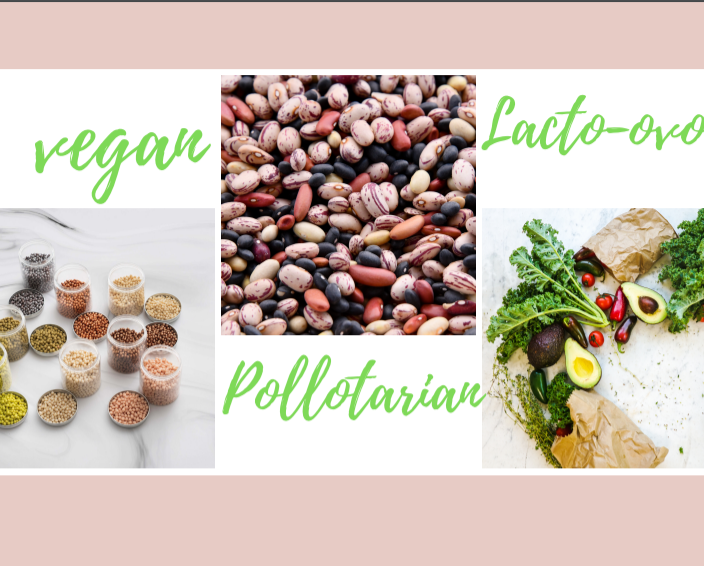
This group constitutes people who eat a largely plant based diet but include poultry as a protein source e.g. chicken, turkey, eggs etc. They do not eat any other form of animal protein.
PESCATARIAN
Pescatarians eat a predominantly plant based diet and incorporate seafood as a form of protein in their diets. This is one of the popular forms of vegetarianism. People in this category eat fish, prawns, calamari and all other types of fish. I believe in our African context this would include your Kapenta and brim fish.
LACTO-OVO VEGETARIAN
Now we get to explore the more commonly known form of vegetarian living. This group of people do not use any form of animal flesh but they do use animal by products. This includes milk, cheese, eggs etc.
It’s worth noting that one can be ovo-vegetarian or lacto-vegetarian independently. In this instance the ovo-vegetarian would use eggs only whilst the lacto vegetarian would make use of milk products but not eggs.
PLANT BASED
Now comes the most complicated of all. There is no clear explanation for this category and it may sound like the flexitarian, however I believe there are some vast differences.
This group of people live a predominantly whole plant based life. They do not use animal flesh (meat) as a form of protein but instead focus on beans and pulses. They are not as strict as vegans in terms of by products in most cases as their motivating factor is usually health.
VEGAN
This here is a whole lifestyle. The more I read up the more I discover. Veganism extends beyond the kitchen. Though there is a confusion and inter use of the words plant based and vegan these have their clear differences. Vegans do not use ANY animal product; whether it’s eating their flesh, by products or even leftovers (skin, hooves). The motivation for this group is largely ethical. You will not catch them using any leather or fur products (shoes, bags) or eating foods that contain anything that has animal product (e.g. gelatine found in jelly or milk found in multiple processed food options).
This is the category that requires a lot of planning as reading labels and knowing products comes in handy. I have also found that it is the most difficult to transition to in our African context considering our limited availability of products.
Now that we are on the same page in terms of the types of vegetarian diets we will go on to unpack the pros and cons so keep an eye out for the next post.
xoxo
Goofy
 wellnesswithgoofy.health.blog